
We are pleased to announce The OMOP Practitioner — Expert Training, a new three-day expert training programme taking place in Rotterdam from 7–9 September 2026.
This intensive, hands-on course is designed for OMOP CDM implementers who want to take the next step: improving data quality, designing robust cohorts, and generating reliable real-world evidence within their organisation and across data networks.
The programme will cover key OMOP tools and workflows, including the Data Quality Dashboard, ATLAS, CohortDiagnostics, CdmOnboarding, Achilles, and the TreatmentPatterns package. Participants will work through practical exercises and leave with concrete improvement pointers and a personal 30-day action plan.
- The training takes place from 7–9 September 2026 in Rotterdam.
- The course is limited to a maximum of 30 participants.
- Up to 5 BYOO slots are available for participants bringing their own OMOP CDM results.
- The training is delivered by the Department of Medical Informatics, Erasmus MC.
More information about the programme, prerequisites, pricing, and registration can be found below.
Are you looking for an impactful project for your Master's thesis? We currently have open positions for Master Students to undertake a graduation project within our department. Projects mostly focus on developing novel AI/ML methods using data from Dutch primary care; example projects can be found here.
What we are looking for:
- Candidates with a strong quantitative background who are highly motivated, eager to learn, and demonstrate initiative in their work.
- Strong written and verbal communication skills are desired.
- Interest in the healthcare domain.
What we offer:
- Projects addressing real-world problems using a large primary care database.
- Regular meetings with a dedicated supervisor.
- An internship allowance from Erasmus Medical Center.
If you are interested, please send your application including CV, motivation, preferred timeline for completing the thesis, and research interests (if you have them) to Ilse Schuemie (
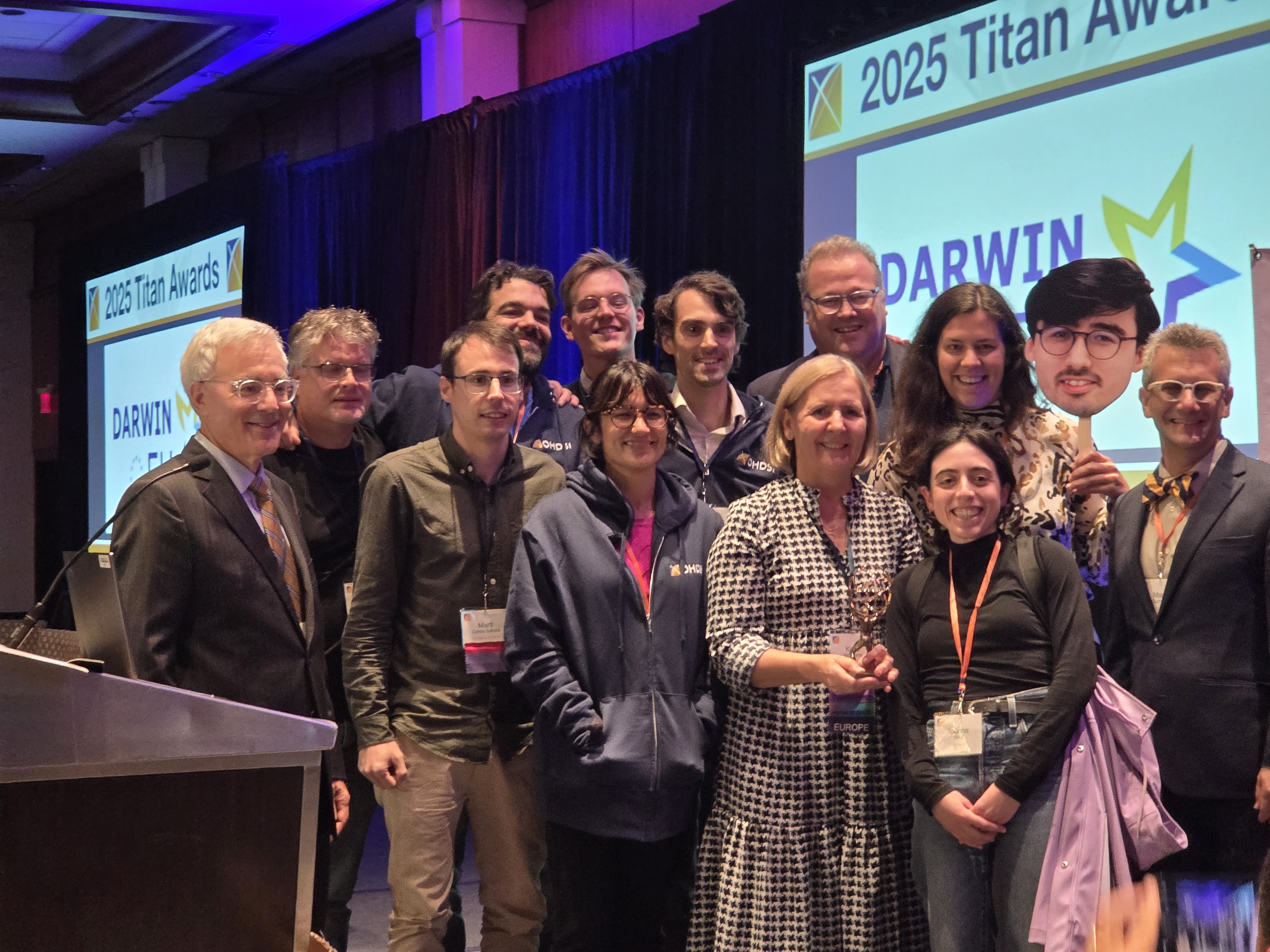
At the beginning of October, several members of our group attended the OHDSI Global Symposium in New Brunswick, where they presented their work, led workshops, and explored new collaborations within the global OHDSI community.
It was an inspiring and productive event, filled with fascinating research and great discussions. We are proud to share that our team’s efforts were recognized with multiple awards!
- Aniek and Maarten received a Titan Award for their work on the Treatment Patterns package.
- The entire DARWIN EU® team was also honored with a Titan Award for their impactful contributions to the OHDSI community.
Overall, it was a very successful and rewarding symposium!

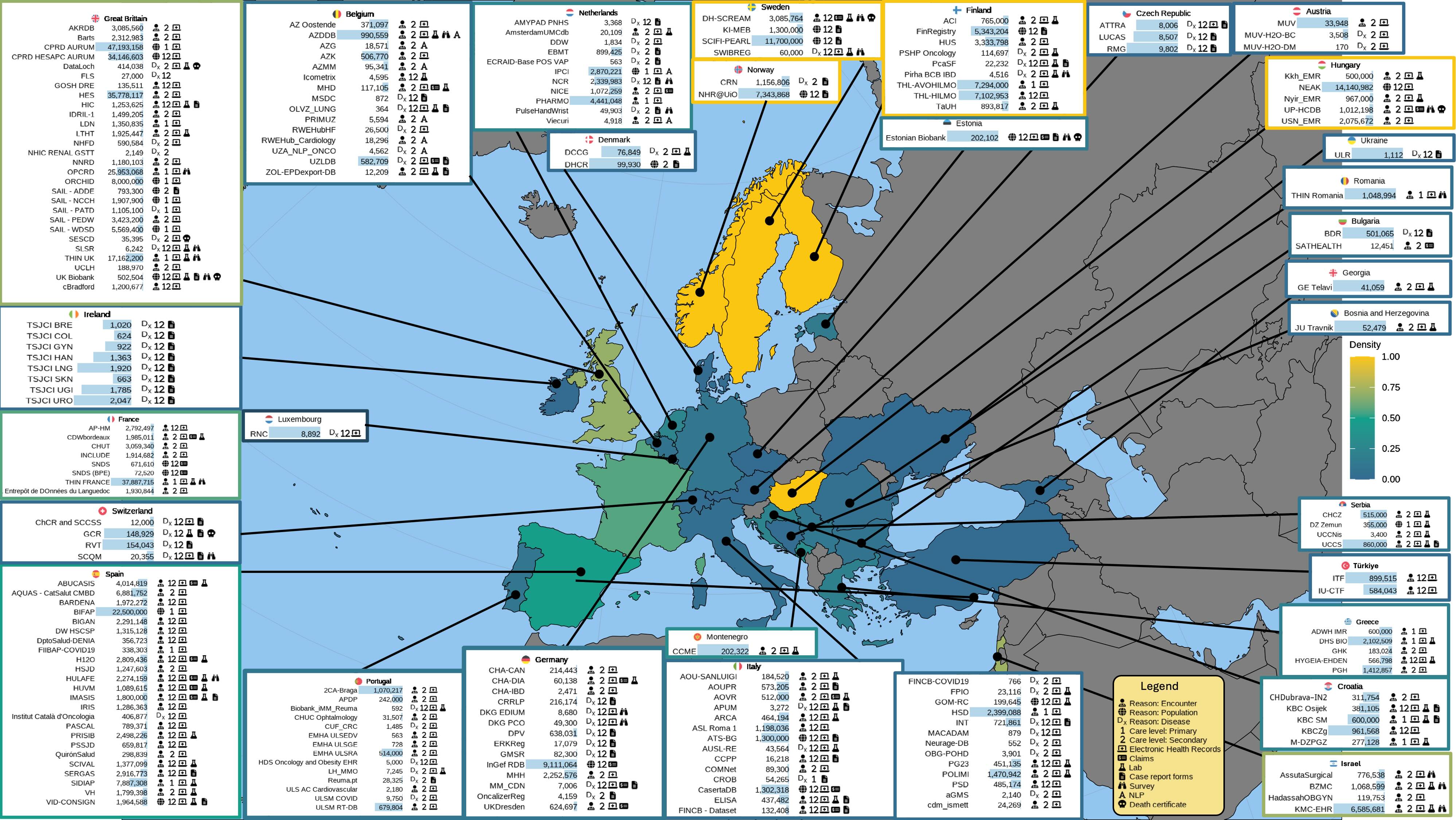
Check out this recently published JMIR paper by Clair Blacketer (PhD student in HDS group) offering a comprehensive overview of the data sources within the European Health Data & Evidence Network (EHDEN), focusing on the 210 health data sources from 30 countries mapped to the OMOP Common Data Model. It highlights the diversity and scale of real-world data across Europe, illustrating the potential of federated data networks to enhance the generation of reliable evidence. By emphasizing the breadth of data within the network, this work underscores how these resources can be leveraged to support future health research and improve the generalizability of evidence.

The 6th European OHDSI Symposium – Join the Network: Advancing Real-World Evidence in Europe – took place on July 5-7, 2025, in Hasselt, Belgium, bringing together researchers, policymakers, and industry leaders to explore the latest developments in OMOP-CDM, open-source tools, and collaborative projects that harness the power of networks to generate impactful evidence. Pre-symposium workshops and tutorials were held on July 5 and 6.
This marked the first time that this event ventured beyond its traditional home in Rotterdam. The symposium was held at the iconic Old Prison building of Hasselt University, providing a unique blend of historic ambiance and cutting-edge innovation.
More information, posters, session recordings, and more can be found on the uHasselt website: here.